Synchronizing Payout Cycles Across Video Poker Machines and Table Game Transitions for Session Timing
Written by Nils Patterson · Oct 31, 2026
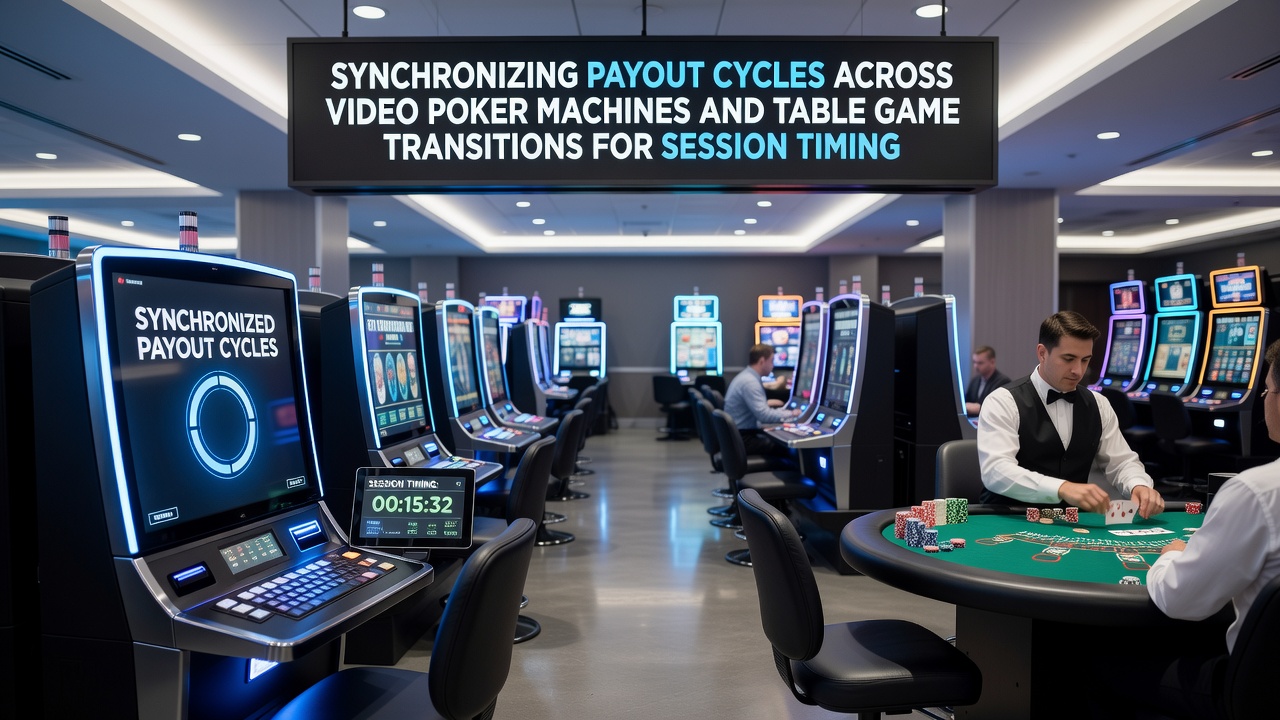
Synchronizing Payout Cycles Across Video Poker Machines and Table Game Transitions for Session Timing
Casino operations rely on coordinated systems that align video poker payout cycles with table game transitions, and data from regulatory bodies shows how these alignments affect overall session timing across multiple game types. Video poker machines operate on random number generators programmed with specific return-to-player percentages, while table games such as blackjack and craps follow continuous dealing sequences that create distinct rhythm patterns for participants who move between stations.
Research from the Nevada Gaming Control Board indicates that machine configurations often include cycle intervals measured in thousands of hands, and operators adjust these intervals during floor resets to maintain consistent revenue flows. Those who track session data across properties note that transitions between video poker and tables require precise timing because table minimums and maximums change at scheduled intervals, typically aligned with shift changes or promotional windows.
Mechanics of Video Poker Payout Cycles
Each video poker machine contains a paytable that distributes returns according to programmed probabilities, and studies from the University of Nevada Reno Gaming Management Program reveal that cycle synchronization begins with mapping these probabilities against expected hand volumes. Machines set at 95 percent RTP versus 98 percent RTP demonstrate measurable differences in hit frequency, and floor managers coordinate resets so that high-cycle machines sit near table sections where players frequently transition after completing a poker session.
Operators use software that logs cumulative handle and payout events, allowing them to predict when a machine cluster will reach its theoretical payout point. This information feeds into broader floor planning that accounts for table game drop rates, which move at a steadier pace because dealers control card distribution and bet resolution speeds.
Table Game Transitions and Timing Coordination
Table games introduce variable pacing that differs from the fixed spin or deal intervals of video poker, and observers at major properties report that successful transitions depend on matching a player's departure from a machine with an open table position offering compatible betting limits. Data collected during peak hours shows that average table game rounds last between 45 and 90 seconds, creating windows where players can shift without losing momentum on their overall session structure.
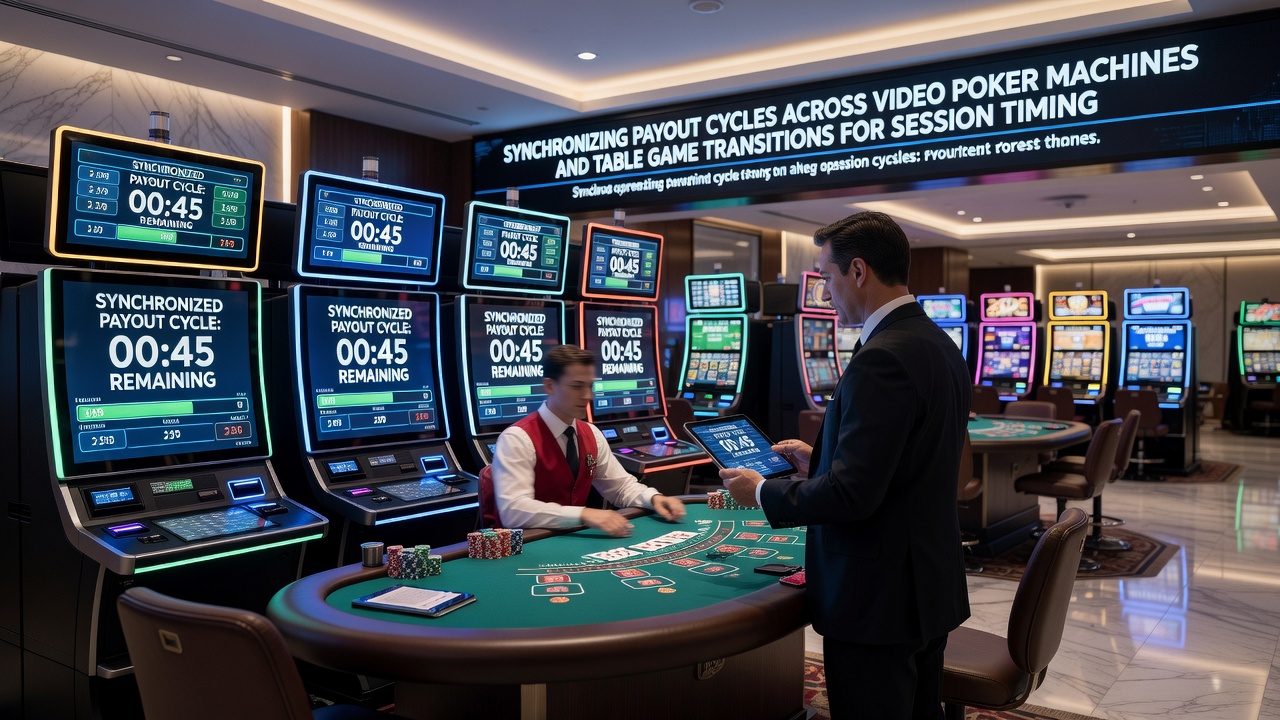
Regulatory updates scheduled for implementation in October 2026 will require enhanced reporting on machine cycle lengths and table game transition logs, according to draft guidelines circulated by the Nevada Gaming Control Board. These changes aim to standardize data collection across properties so that synchronization tools can operate with greater precision during mixed-game sessions.
Practical Approaches to Session Alignment
Systems that track cumulative play across game categories allow operators to adjust machine seeding and table opening times in response to real-time volume, and industry reports from the Australian Gambling Research Centre document similar practices in integrated resorts. Players who move between video poker banks and table pits benefit when floor staff stagger machine payouts with table game shuffle schedules, reducing idle time during transitions.
Software platforms integrate player tracking cards with machine meters and table management systems, producing alerts when a payout cycle approaches its projected window. This integration supports decisions about when to open additional tables or relocate machines during slower periods, maintaining flow without disrupting established session patterns.
Regulatory and Operational Considerations
Compliance frameworks in multiple jurisdictions now require documentation of how payout cycles interact with table game availability, and figures released by the Singapore Casino Regulatory Authority highlight the impact of synchronized scheduling on operational efficiency. Properties must balance machine downtime during cycle resets against table game staffing costs, and coordination software helps minimize conflicts between these two areas.
Training programs for floor personnel emphasize recognition of cycle indicators on video poker displays alongside table game pace markers, ensuring that transitions occur at moments when both machine availability and table seating align. This approach reduces bottlenecks that occur when large groups finish poker sessions simultaneously and seek table positions.
Conclusion
Effective synchronization of payout cycles across video poker and table games rests on integrated data systems, regulatory reporting standards, and floor-level coordination that accounts for both machine intervals and table pacing. As requirements evolve through October 2026, operators continue refining these processes using documented metrics from gaming control authorities and academic research programs. The result supports consistent session timing across diverse game formats without altering individual game rules or outcomes.