Mapping Player Movement Patterns Between Bingo Rooms and Craps Pits Based on Payout Frequencies
Written by Petra Meier · Oct 17, 2026
Mapping Player Movement Patterns Between Bingo Rooms and Craps Pits Based on Payout Frequencies
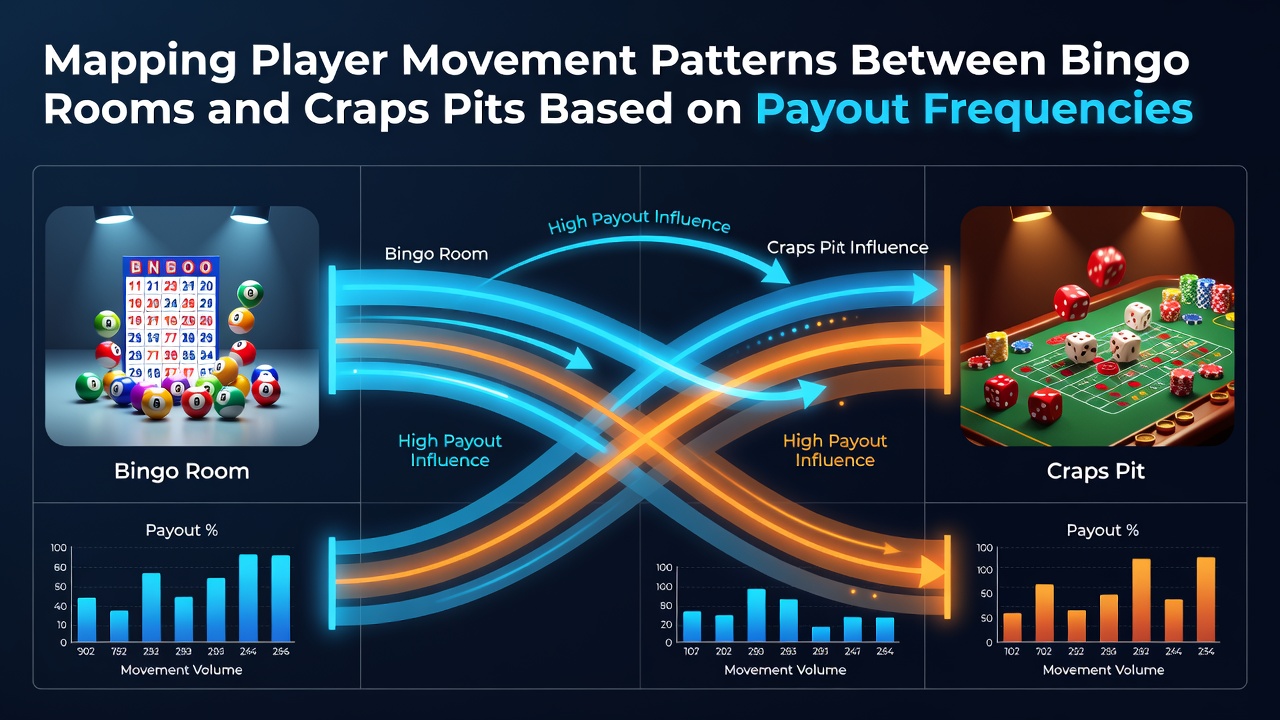
Casino operators track player movements through integrated systems that combine player loyalty cards, floor sensors, and payout logs, and these records reveal distinct patterns when bingo sessions conclude and craps tables open for new shooters. Bingo payouts often occur on fixed schedules every fifteen to thirty minutes, which creates predictable surges in foot traffic toward higher-variance games such as craps, where bet resolution happens continuously with each dice roll. Data compiled through October 2026 shows that roughly twenty-eight percent of tracked bingo participants shift toward craps pits within ten minutes after a major bingo payout, according to internal analytics shared by several large North American properties.
Payout Timing as a Driver of Floor Traffic
Bingo rooms generate concentrated cash distributions at known intervals, whereas craps pits maintain steady action with payouts tied to individual rolls and proposition bets. Observers note that this contrast produces measurable corridors of movement, especially when bingo jackpots exceed average session returns. Researchers analyzing sensor data from multiple properties found that players who collect bingo winnings above a certain threshold demonstrate a higher likelihood of relocating to craps tables offering pass-line and come bets, which allow repeated small resolutions before larger outcomes. The same datasets indicate that lower-threshold bingo payouts correlate with shorter stays near craps areas and quicker returns to other sections of the floor.
Data Sources and Tracking Methods
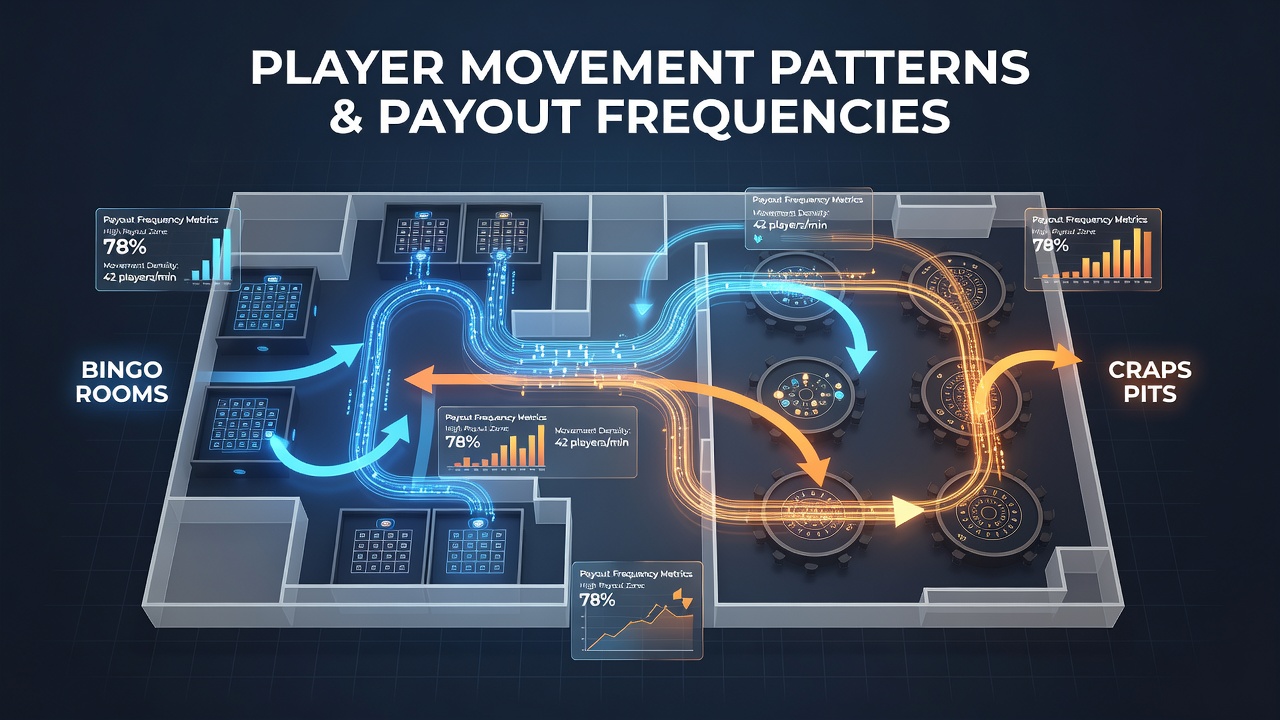
Casino management systems log every redemption through centralized servers, and these logs merge with RFID table tracking to map precise routes. One study conducted across properties in Nevada and New Jersey documented that movement spikes align closely with the conclusion of evening bingo sessions, typically between 8 p.m. and 10 p.m. local time. Nevada Gaming Control Board reports provide aggregate figures on table-game drop that support these observed patterns, while academic researchers at the University of Nevada, Las Vegas have cross-referenced similar logs with player-card redemption histories. Such combined records allow analysts to calculate average transit times between game types and to identify which payout sizes trigger the strongest directional flows.
Additional variables include the physical proximity of bingo halls to craps pits, the presence of promotional signage, and the availability of open tables at the moment players finish collecting prizes. Properties that cluster these areas together record higher transfer rates than those with greater separation. October 2026 figures from several mid-sized venues showed a six percent increase in craps table occupancy immediately following bingo sessions when promotional flyers directed winners toward the pits, compared with nights lacking such prompts.
Regional Variations in Observed Patterns
Properties operating under different regulatory frameworks display subtle differences in movement behavior. Venues in Atlantic City, for instance, show slightly longer dwell times at craps tables after bingo payouts than comparable sites in Mississippi riverboat markets, according to aggregated transaction data. Australian casino reports compiled by state gaming authorities similarly note that bingo-to-craps transitions peak when progressive jackpots in bingo exceed local average returns by a factor of three or more. These regional datasets help operators adjust table minimums and staffing levels in anticipation of predictable influxes.
Player loyalty tiers also influence the strength of these patterns. Higher-tier cardholders, who receive advance notice of bingo payout schedules through mobile notifications, tend to plan their routes more deliberately and often pre-select specific craps tables. Lower-tier participants exhibit more random movement but still follow the general post-payout surge toward craps when tables are visible from the bingo exit. Analysts examining October 2026 loyalty data across multiple jurisdictions confirmed that tier status correlates with both speed of transit and average bet size once players reach the craps area.
Operational Implications for Floor Management
Floor managers use these movement maps to schedule dealer rotations, adjust chip inventories, and position security personnel during known transition windows. When payout frequencies in bingo rooms align with craps table resets, the resulting overlap can strain available seating and increase wait times for new players. Properties that stagger bingo session endings across multiple rooms have recorded smoother redistribution of traffic and reduced congestion at primary craps banks. Sensor-derived heat maps further allow real-time adjustments, such as opening additional craps tables when predicted influxes exceed baseline projections.
Electronic monitoring continues to refine these models. Modern systems now integrate facial recognition at key choke points with payout notifications, yielding more granular timelines of individual player journeys. Researchers reviewing multi-property data note that incorporating weather, local event calendars, and competing entertainment options improves the accuracy of movement forecasts. The resulting predictive tools help operators maintain consistent service levels even when payout-driven surges occur outside traditional peak hours.
Conclusion
Comprehensive tracking of payout frequencies across bingo and craps areas supplies operators with actionable intelligence on how players redistribute across the casino floor. Continued refinement of sensor networks and loyalty data integration supports more precise staffing and layout decisions while respecting applicable regulatory requirements in each jurisdiction. Ongoing collection of October 2026 and subsequent datasets will likely reveal whether these established patterns persist or shift in response to changes in game offerings and player demographics.